Watch “Mold Remediation Kennesaw Cleanup Planning | ARS Mitigations | Kennesaw, GA” on YouTube
Listen on SoundCloud: Planning Mold Remediation Kennesaw Property Owners Can Understand
When mold remediation in Kennesaw needs attention
Mold can become a concern after a plumbing leak, damp storage conditions, or water that wasn't fully dried. You might notice spotting along baseboards, discoloration inside a cabinet, or a musty smell that keeps returning. Those clues deserve a closer look, especially when the same area has been wet before.
Not every stain is mold, and surface appearance alone doesn't show how far a problem extends. When you call about mold remediation kennesaw, explain what you've noticed and where it started. A description of recent leaks or recurring dampness helps put the visible damage in context.
Finding moisture before mold cleanup begins
The first step is understanding why the area is damp. A leaking supply line, condensation, or moisture entering around an opening can keep feeding the problem. Cleaning the visible surface without addressing that source can leave the underlying conditions unchanged.
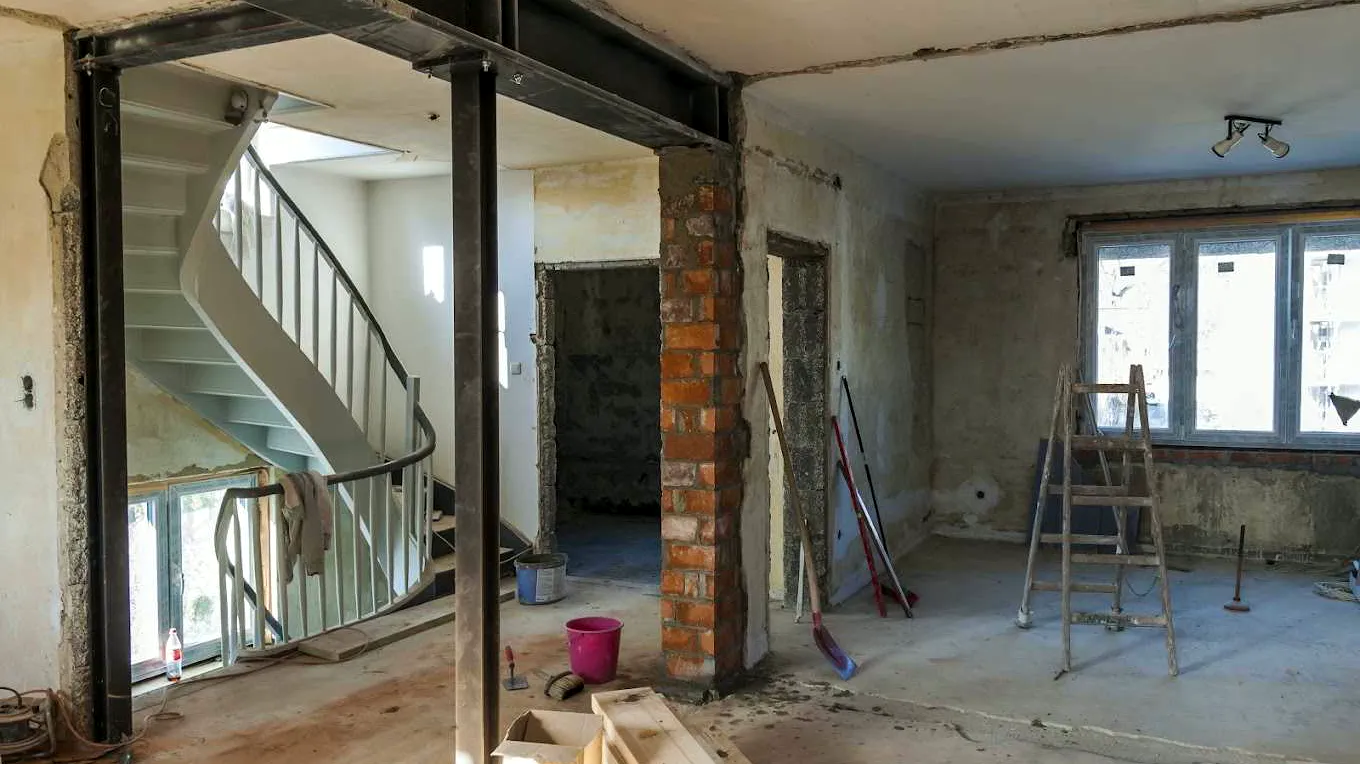
An assessment also considers the materials involved. Painted drywall, wood trim, carpet backing, and hard surfaces don't all respond the same way. Some materials may be suitable for cleaning, while others may need removal because growth or deterioration extends into them.
Before the visit, share details such as:
- Where you first noticed the odor or discoloration.
- Whether a leak has already been repaired.
- Which rooms or adjoining spaces have been damp.
- Whether anyone has painted over or cleaned the area.
- How the affected room is normally used.
There's no need to pull apart a wall to gather that information. Leave suspect materials undisturbed until the work can be evaluated.
How mold remediation work moves forward
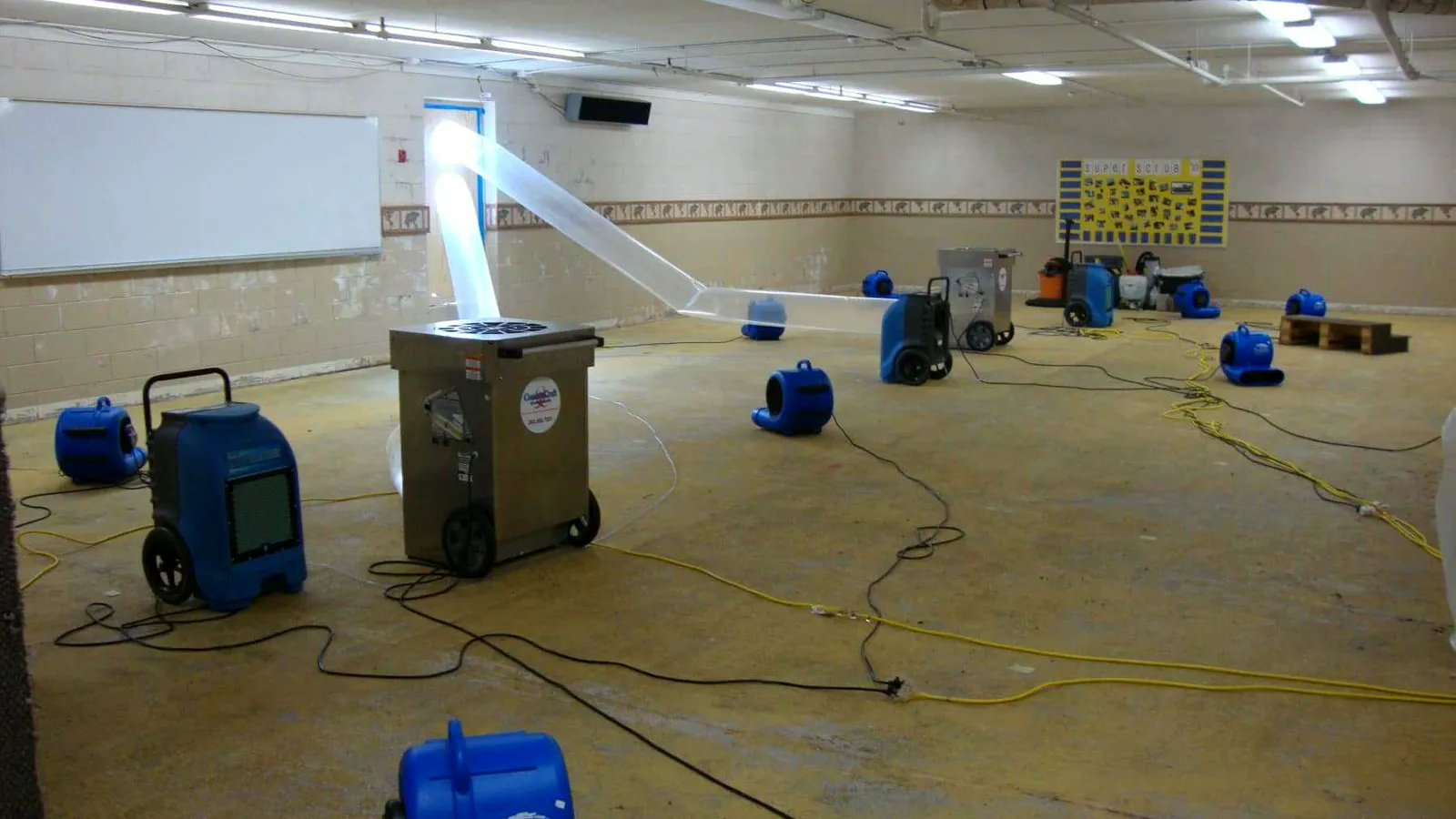
For mold remediation kennesaw, the work should follow the conditions found at the property. The scope starts with identifying affected areas and deciding how to keep cleanup activity from spreading debris into nearby spaces. Containment and air control may be appropriate depending on the location and extent of the work.
Next comes handling the affected materials. That may involve removing damaged porous materials and cleaning surfaces that can remain. Simply covering discoloration with paint doesn't replace this step, and a strong cleaning smell isn't proof that the underlying problem has been addressed.
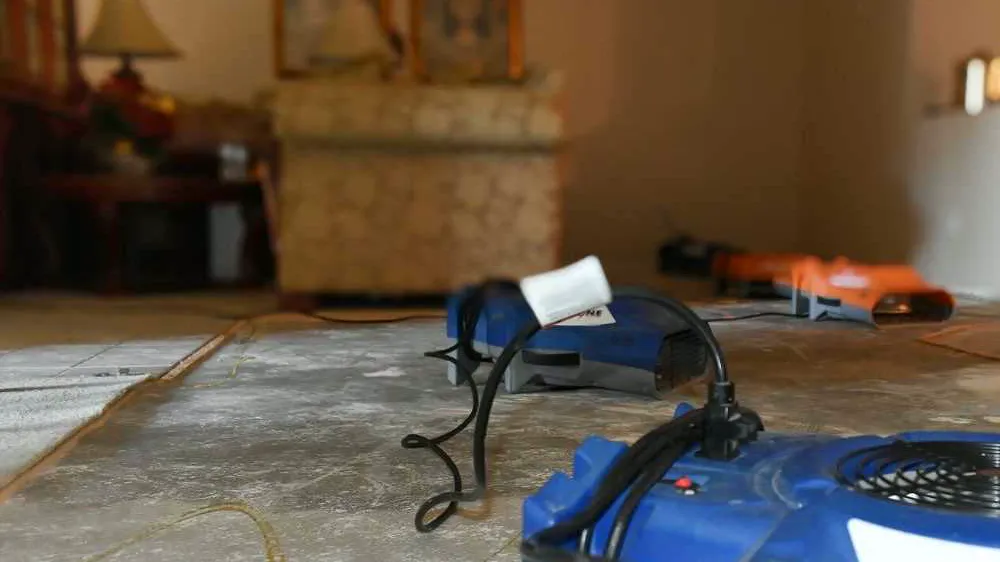
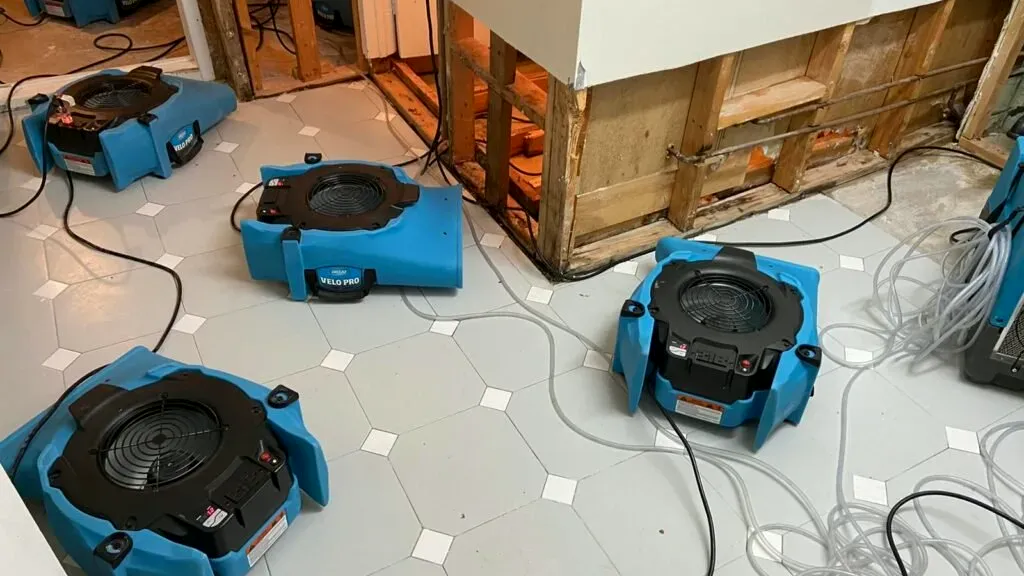
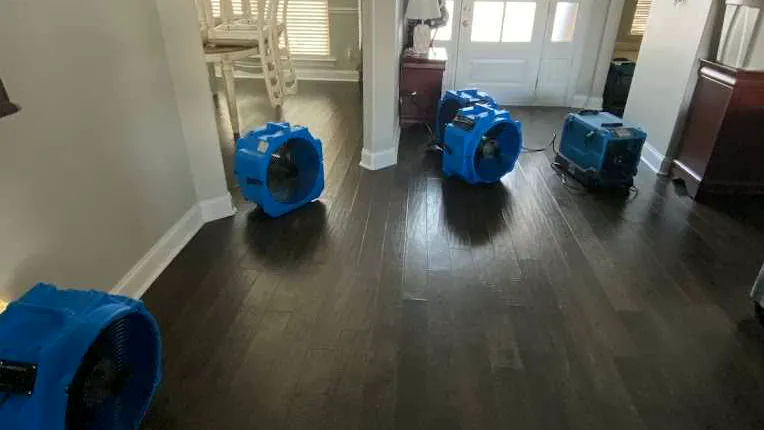
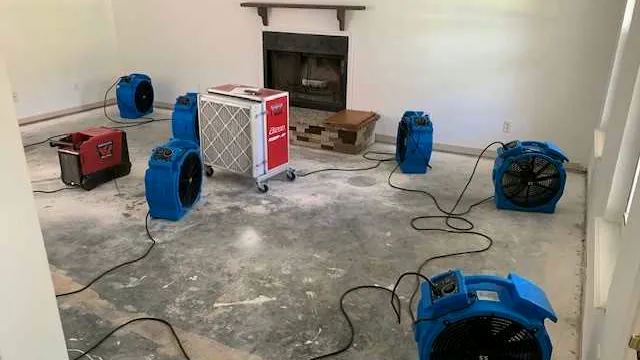
Drying and moisture control belong in the process too. Before repairs close an area back up, the condition of the remaining materials needs attention. Replacement drywall or trim shouldn't hide an unresolved leak or damp cavity.
Planning mold remediation around your Kennesaw property
A small bathroom and a busy commercial space present different access concerns. Let us know about stored belongings, shared walls, limited entry points, or rooms that need to stay accessible. Those details help define practical work boundaries and what needs to move before cleanup begins.
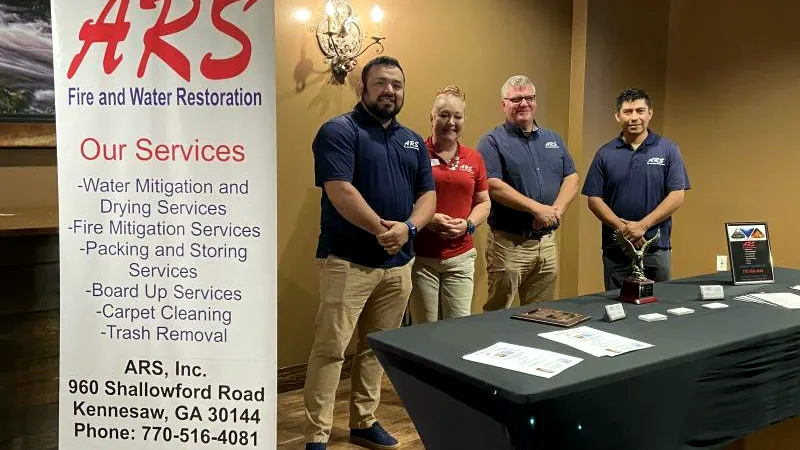
ARS Mitigations provides mold remediation along with water restoration and remodeling services. You can discuss both the affected area and any repair needs without assuming every job requires the same work. Ask what the proposed scope includes and which moisture repairs need separate attention.
If you're looking for mold remediation kennesaw, call ARS Mitigations at +1770-516-4081. We're available 24/7 to discuss what you've found and the next step for your property.
Mold Remediation Kennesaw: Common Questions
Does a musty smell mean I need mold remediation?
A persistent musty odor can point to a moisture problem, but it doesn't establish the source or extent by itself. Tell ARS Mitigations where the smell is strongest and whether that area has a history of leaks.
Will mold remediation require removing drywall?
That depends on the material's condition and how far the affected area extends. Some surfaces can be cleaned, while damaged porous materials may need removal.
Can I paint over mold after a leak is repaired?
Paint doesn't remove mold from affected materials. The area needs appropriate cleanup and drying before cosmetic repairs are considered.