Watch “Mold Remediation Kennesaw Cleanup Planning | ARS Mitigations | Kennesaw, GA” on YouTube
Listen on SoundCloud: Planning Mold Remediation Kennesaw Property Owners Can Understand
When local mold remediation makes sense
A mold concern often begins in a small, inconvenient spot. You move a cabinet and notice discolored wallboard, or open a seldom-used room and smell something musty. Even when the visible area looks limited, the surrounding materials and moisture conditions deserve attention.
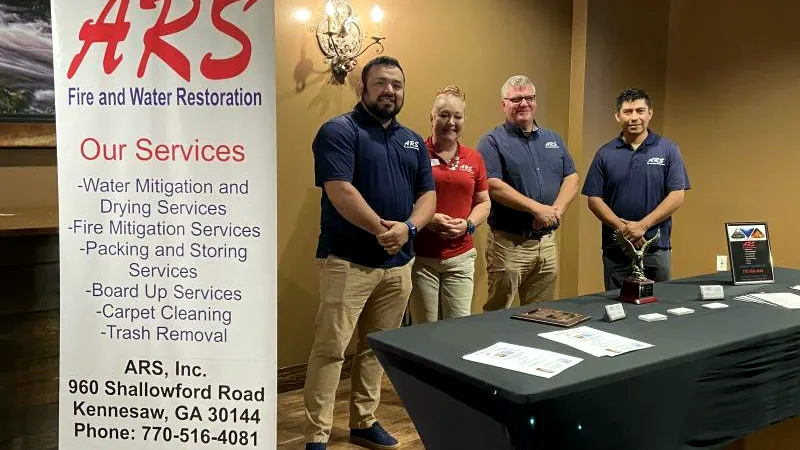
Local mold remediation helps you move from noticing a problem to understanding the cleanup needed at your property. ARS Mitigations serves Kennesaw families and businesses dealing with mold and property damage. Tell us where you've found the issue and whether anything nearby has leaked, overflowed, or stayed damp.
Getting ready for a mold remediation visit
Before someone examines the area, gather a few practical details. Photos taken before furniture was moved or before a leak was repaired can be useful. Note whether the smell changes after rain, when air conditioning runs, or when a particular room stays closed.
Avoid scraping, sanding, or pulling apart suspect materials while you're waiting for guidance. Disturbing them can spread debris and make it harder to understand the original conditions. Keep access clear without moving affected items through other rooms unnecessarily.
For a Kennesaw business, explain how the space is used. Storage shelves, customer areas, and shared hallways can affect access planning. At home, mention nearby bedrooms, closets, and any belongings you can't easily relocate. Those details help shape a workable approach.
The stages of local mold remediation
The job generally starts with a walkthrough and a conversation about the water history. Accessible surfaces are examined, and moisture conditions help guide decisions about further investigation. Hidden spaces may require a separate discussion before they can be opened.
A cleanup plan then identifies the work area and the materials involved. Depending on the findings, the work may include:
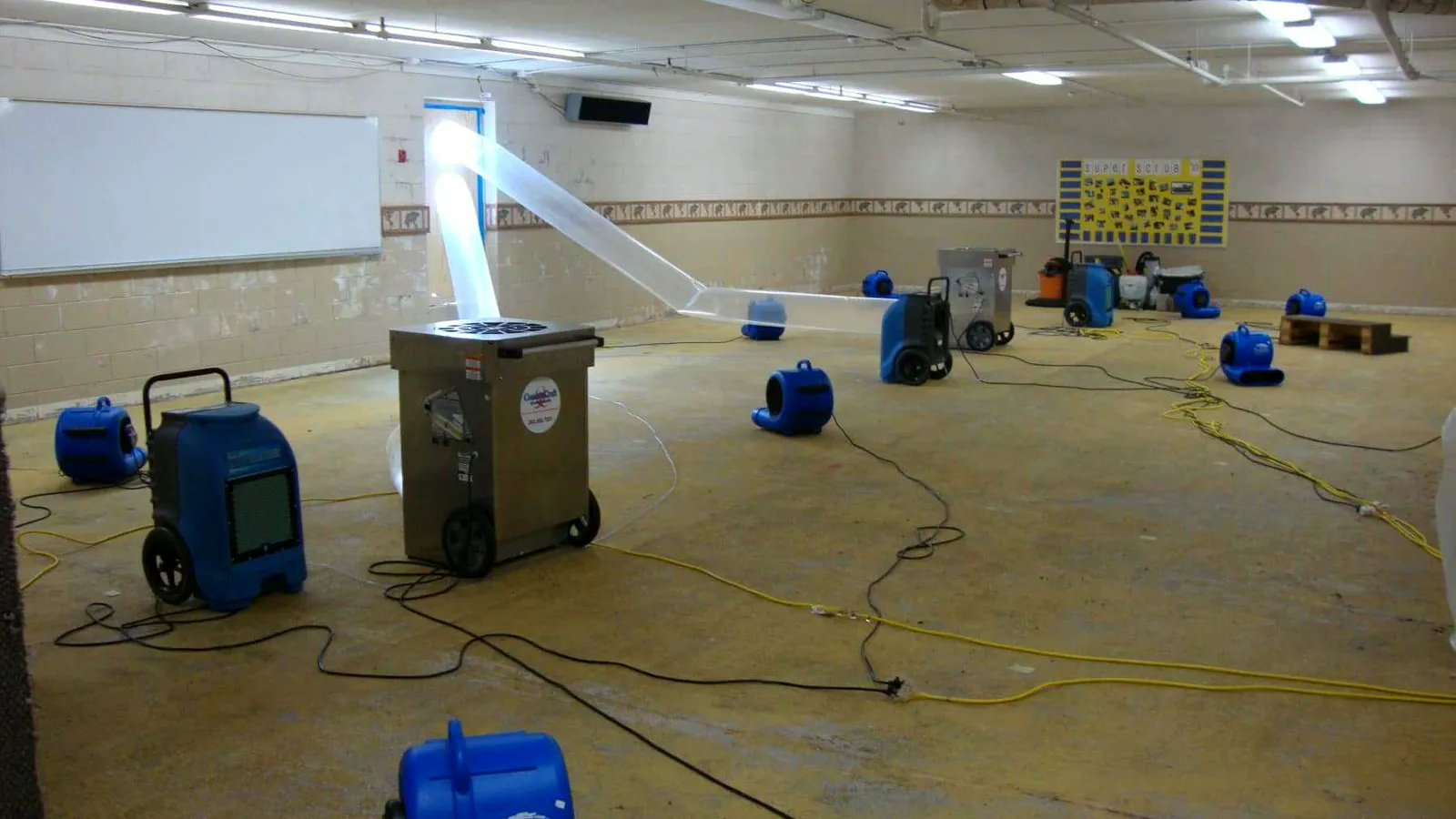
- Separating the affected space from adjacent areas.
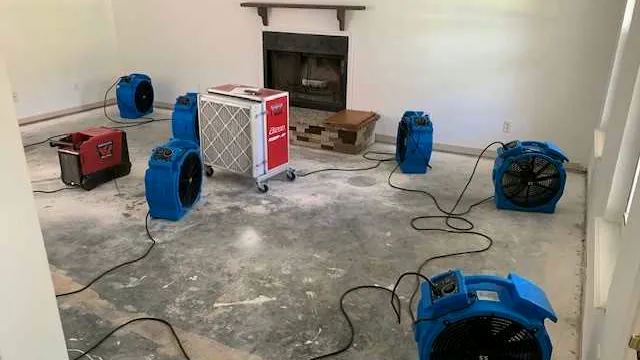
- Using filtration to help manage airborne debris.
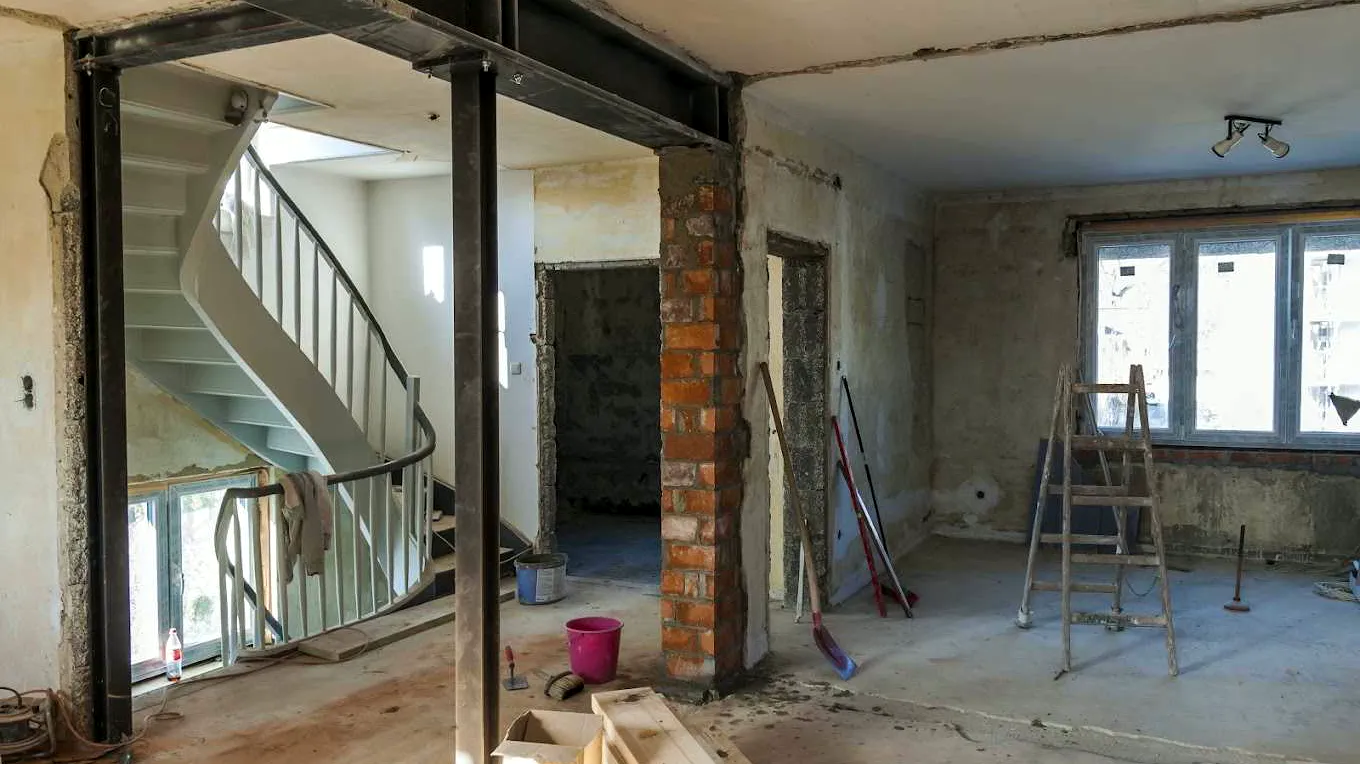
- Removing materials that can't reasonably be cleaned.
- Cleaning suitable remaining surfaces.
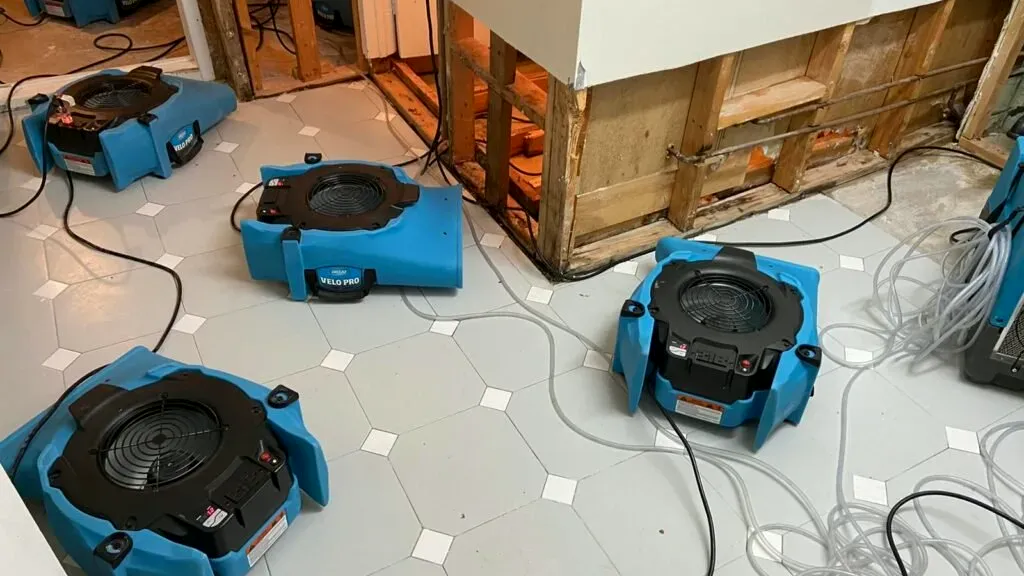
- Checking drying progress before repair work begins.
The sequence can change when concealed damage is uncovered. Ask how those findings will be documented and discussed. You should understand why the scope needs to change before additional work moves forward.
The moisture source also needs attention. Cleanup can't compensate for an active plumbing leak or ongoing water entry. Establish who will handle that correction and how it fits with drying and repairs.
Planning the return to normal use after mold cleanup
Cleanup and reconstruction are connected, but they aren't the same task. Before the area is closed back up, clarify which materials were removed, what remains exposed, and whether any moisture problem is still unresolved. Discuss the condition needed before replacement finishes go in.
Ask when belongings can be returned and how to use the surrounding space while work is underway. There isn't one schedule that fits every property. A narrow wall cavity and a room with several affected surfaces can require different amounts of preparation and repair.
For local mold remediation in Kennesaw, ARS Mitigations offers a place to start when you need help understanding the damage. Our team is available around the clock to hear what's happening at your home or business. Describe the location, the water history, and what you're seeing when you call ARS Mitigations at +1770-516-4081.
Local Mold Remediation: Common Questions
What should I tell a local mold remediation company when I call?
Describe the affected room, visible changes, odors, and any known water problem. Mention access restrictions or business activities that could affect a visit.
Can I stay in the building during local mold remediation?
That depends on the work area, the scope, and how it can be separated from occupied spaces. Discuss access and occupancy before cleanup starts so you can plan around any restrictions.
Can local mold remediation help after a leak has already been fixed?
Yes, repairing the leak doesn't remove mold or damaged materials left behind. An assessment can help determine whether cleanup, further drying, or material replacement is still needed.